
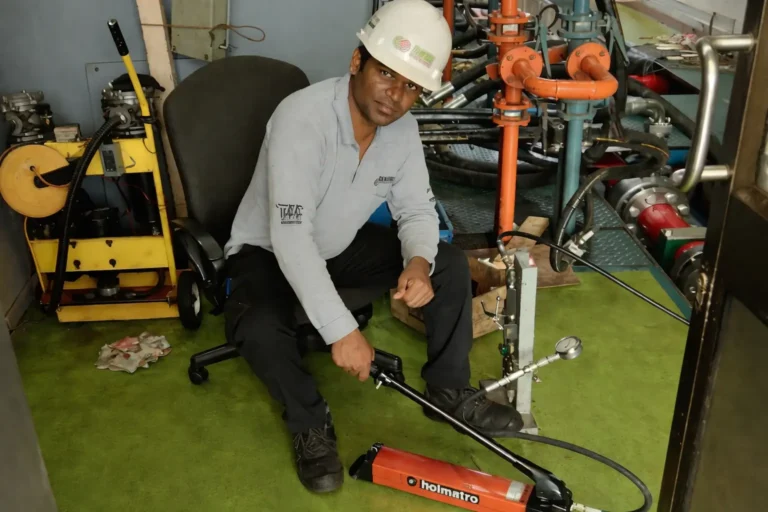
Pressure testing is one of the most critical activities performed during the commissioning of hydraulic piping systems. It serves as the final verification that the installed piping network, fittings, valves, hoses, and associated components can safely withstand operating conditions without leakage, deformation, or failure. A properly executed pressure test provides confidence that the system has been installed correctly and is ready for operational service.In hydraulic systems, where pressures can often exceed several hundred bar, even minor installation defects can result in oil leakage, equipment damage, environmental contamination, and significant operational downtime. Pressure testing helps identify such issues before the system is placed into service, reducing risk and improving long-term reliability. Pressure testing is widely recognized as a non-destructive method for validating the mechanical integrity and leak tightness of pressure-containing systems.
Purpose of Hydraulic Pressure Testing
The primary objective of pressure testing is to verify that the hydraulic piping system can safely withstand pressures greater than its normal operating pressure. The process confirms:
1. Leak tightness of piping, fittings, flanges, and connections.
2. Correct installation and assembly of system components.
3. Structural integrity of the hydraulic circuit.
4. Readiness for commissioning and operational service.
5. Compliance with project specifications and industry standards.
Hydraulic pressure testing also provides an opportunity to identify installation errors, damaged components, loose connections, or manufacturing defects before the system becomes operational.
Typical Hydraulic Pressure Testing Methodology
A hydraulic pressure testing circuit generally consists of a hydraulic power unit (HPU), a portable pressure testing power pack, calibrated pressure gauges, manifolds, hoses, isolation valves, and temporary test equipment. The hydraulic system is first filled with the designated test fluid, ensuring that all trapped air is removed from the circuit. Air removal is essential because compressed air stores significantly more energy than hydraulic fluid and can affect both safety and test accuracy.
Once filled, the system pressure is gradually increased to the specified test pressure. Industry practice commonly requires testing at approximately 1.5 times the design or operating pressure, subject to project specifications, component ratings, and applicable standards. The test pressure is maintained for a specified duration while the system is inspected for leaks, pressure loss, or abnormal behavior.
Critical Considerations During Testing
Successful pressure testing requires more than simply increasing system pressure. Several factors must be carefully controlled:
1. Use of calibrated pressure gauges and certified test equipment.
2. Verification that all system components are rated for the intended test pressure.
3. Complete venting of trapped air before pressurization.
4. Controlled and gradual pressure increase to prevent pressure shocks.
5. Proper isolation of sensitive instruments and equipment not designed for test pressure.
6. Continuous monitoring throughout the hold period.
7. Safe depressurization following completion of the test.
Comprehensive documentation of test pressure, duration, fluid used, calibration records, and inspection results should form part of the final commissioning dossier.
Pressure Testing in Offshore and Marine Applications
For offshore platforms, FPSOs, vessels, and industrial hydraulic systems, pressure testing is particularly important due to the severe operating environments and the high consequences of system failure. Hydraulic circuits frequently support mission-critical functions such as valve actuation, winches, steering systems, deck machinery, subsea equipment, and safety systems.
A structured pressure testing program helps ensure operational reliability while supporting compliance with project specifications, classification society requirements, and industry best practices. When combined with high-quality installation methods such as non-welded hydraulic piping systems, pressure testing provides a robust verification process that contributes to safer and more dependable hydraulic operations.
Conclusion
Pressure testing is the final proof of integrity for any hydraulic piping installation. By systematically verifying leak tightness, structural strength, and installation quality, it helps ensure that hydraulic systems perform safely and reliably throughout their operational life. A well-planned and professionally executed pressure testing program not only supports successful commissioning but also reduces future maintenance requirements, downtime, and operational risk.