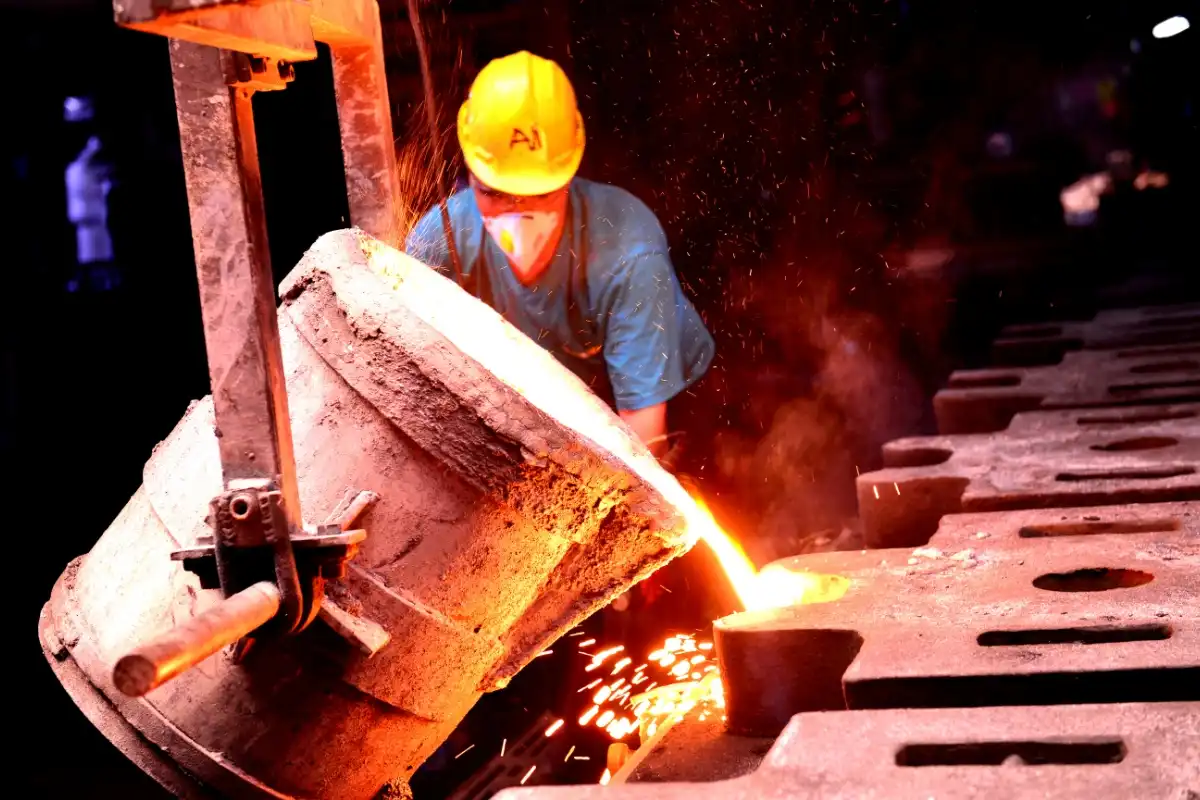
Steel plants operate under some of the most demanding conditions in industrial manufacturing. Hydraulic and process piping systems are exposed to continuous vibration, hydraulic pressure, heavy equipment movement, dust, restricted access and the constant pressure to keep production running.
In such environments, piping installation and maintenance cannot become a bottleneck for plant operations.
The challenge: maintaining reliable piping without disrupting production
Conventional welded piping can make installation and modification more difficult in operating steel plants. Welding requires hot work, site preparation, skilled welding personnel, inspection and additional safety controls. These requirements can become particularly challenging when piping needs to be installed or modified around operating equipment or in areas with restricted access.
For maintenance teams, the challenge continues after installation. Hydraulic piping connected to critical steelmaking equipment must withstand vibration and hydraulic impulses while remaining accessible for inspection, maintenance and replacement.
When piping maintenance takes longer, equipment downtime can extend—and in a steel plant, prolonged downtime can have a direct impact on production.
The solution: engineered non-welded piping systems
Cenergy Offshore provides engineered non-welded piping solutions designed for demanding hydraulic applications in steel plants.
Our solutions use Tube-Mac® 37° Flare Flange, Retain Ring Flange and Pyplok® technologies to reduce dependence on on-site welding and simplify the installation of high-pressure piping systems.
By using pre-engineered and prefabricated piping assemblies where the application permits, piping can be prepared under controlled fabrication conditions and assembled more efficiently at site. This can help reduce installation time, minimize hot work and simplify maintenance activities.
1. Designed for demanding steel plant applications
Non-welded piping systems can be applied across a range of hydraulic and lubrication systems found throughout steel production facilities, including:
Sinter plants
Blast furnaces
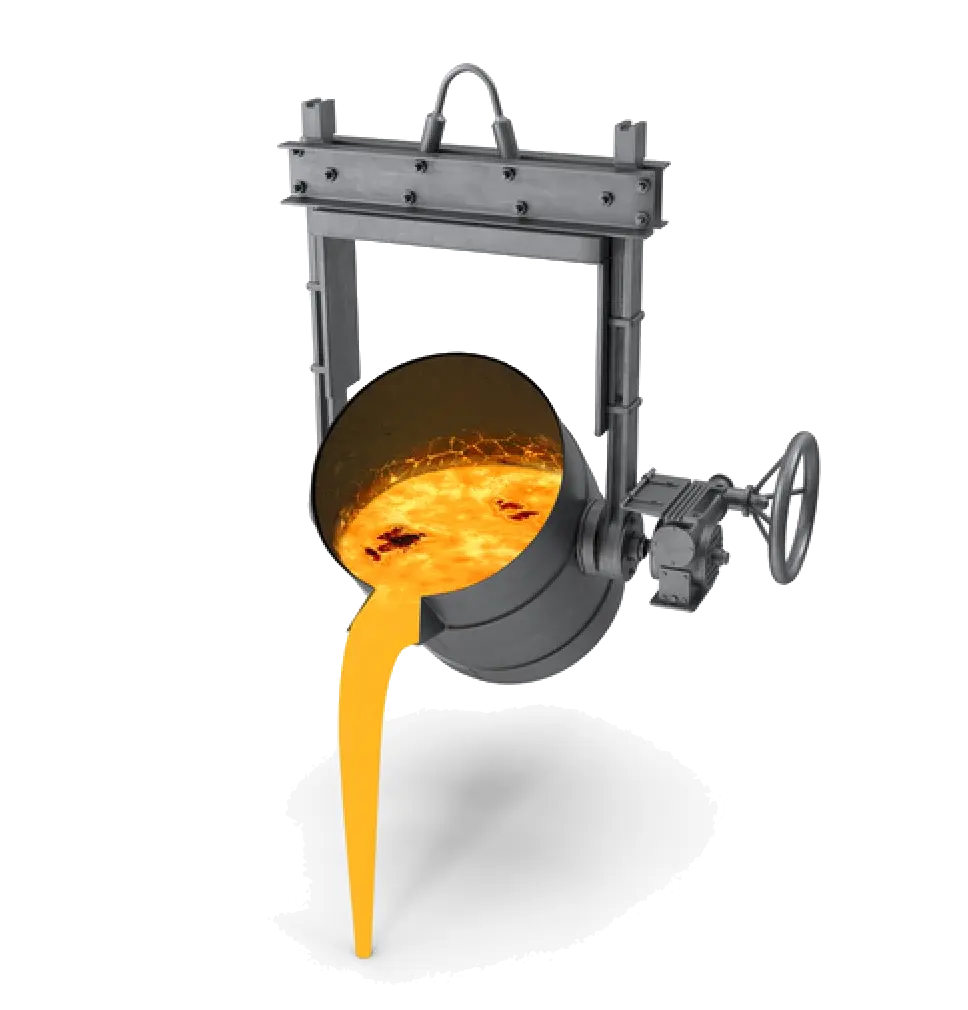
BOF, QBOP, EAF and LMF steelmaking units
Slab and billet casters
Hot and cold rolling mills
Galvanizing and pickling lines
Coke ovens
Tube and structural mills
Material handling systems
Hydraulic and lubrication systems for critical equipment
The suitability of each piping technology depends on the pressure, tube size, connection requirements and operating conditions of the individual application.
2. Faster installation with reduced hot work
Steel plants often have complex layouts and large quantities of hydraulic piping. Fabricating and welding every connection at site can increase installation time and introduce additional hot-work requirements.
With non-welded piping, suitable assemblies can be engineered and prefabricated before reaching the installation site. This allows installation teams to focus more on assembly and less on site welding, helping accelerate project execution.
3. Reliability under vibration and hydraulic pressure
Steelmaking equipment generates significant mechanical vibration and hydraulic impulses. Piping systems serving this equipment must therefore be designed around the actual operating conditions of the application.
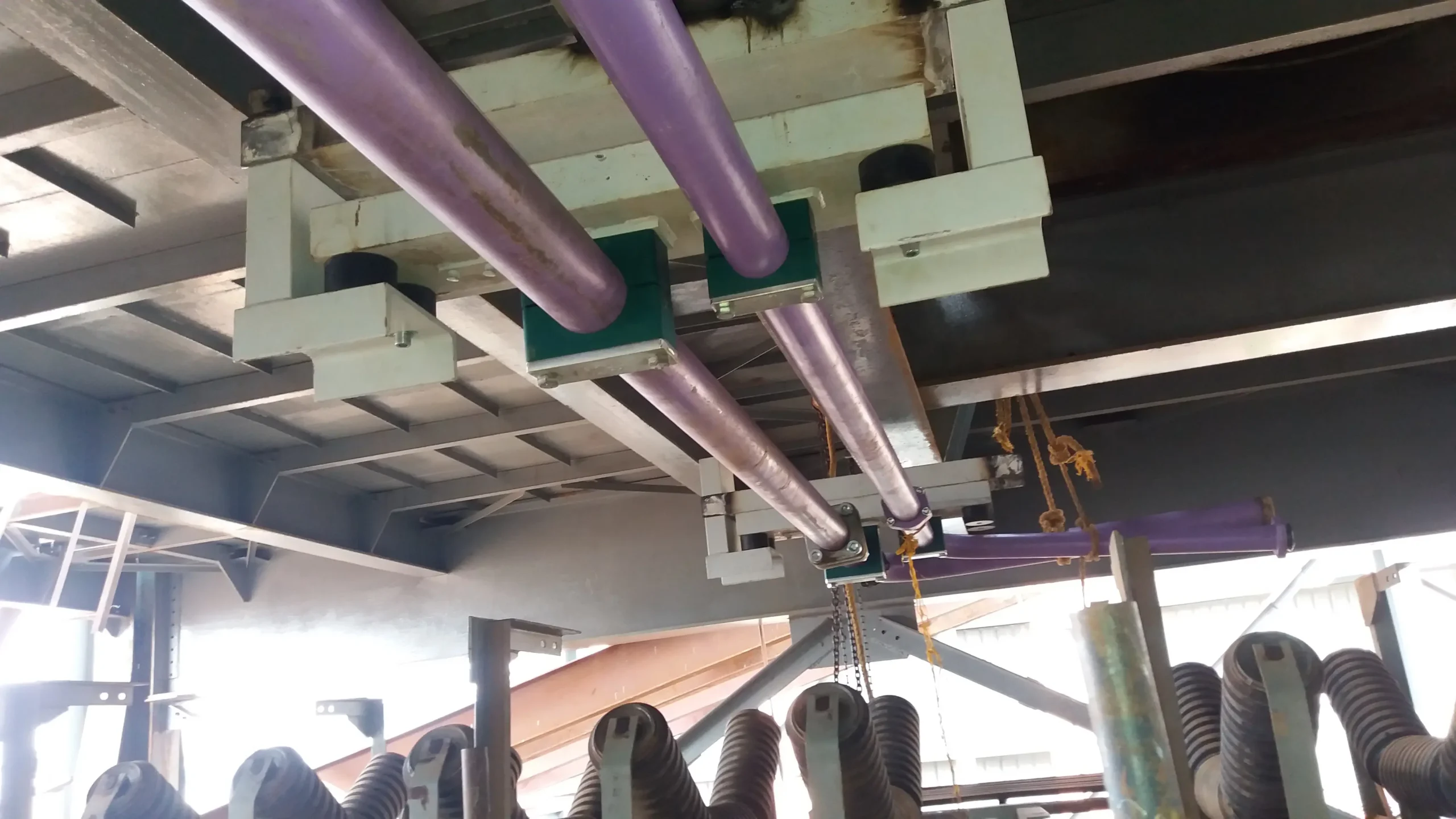
Tube-Mac® non-welded piping technologies provide engineered mechanical connections for high-pressure hydraulic systems, supporting reliable operation in demanding steel plant environments.
4. Simplified maintenance and replacement
Maintenance access is a critical consideration in steel plants, where hydraulic piping may be installed around large machinery and within congested areas.
Reducing dependence on site welding can make certain piping modifications, disassembly and replacement activities more straightforward. This can help maintenance teams respond faster when piping components require attention and reduce the amount of hot work required during maintenance.
5. Proven experience in Indian steel plants
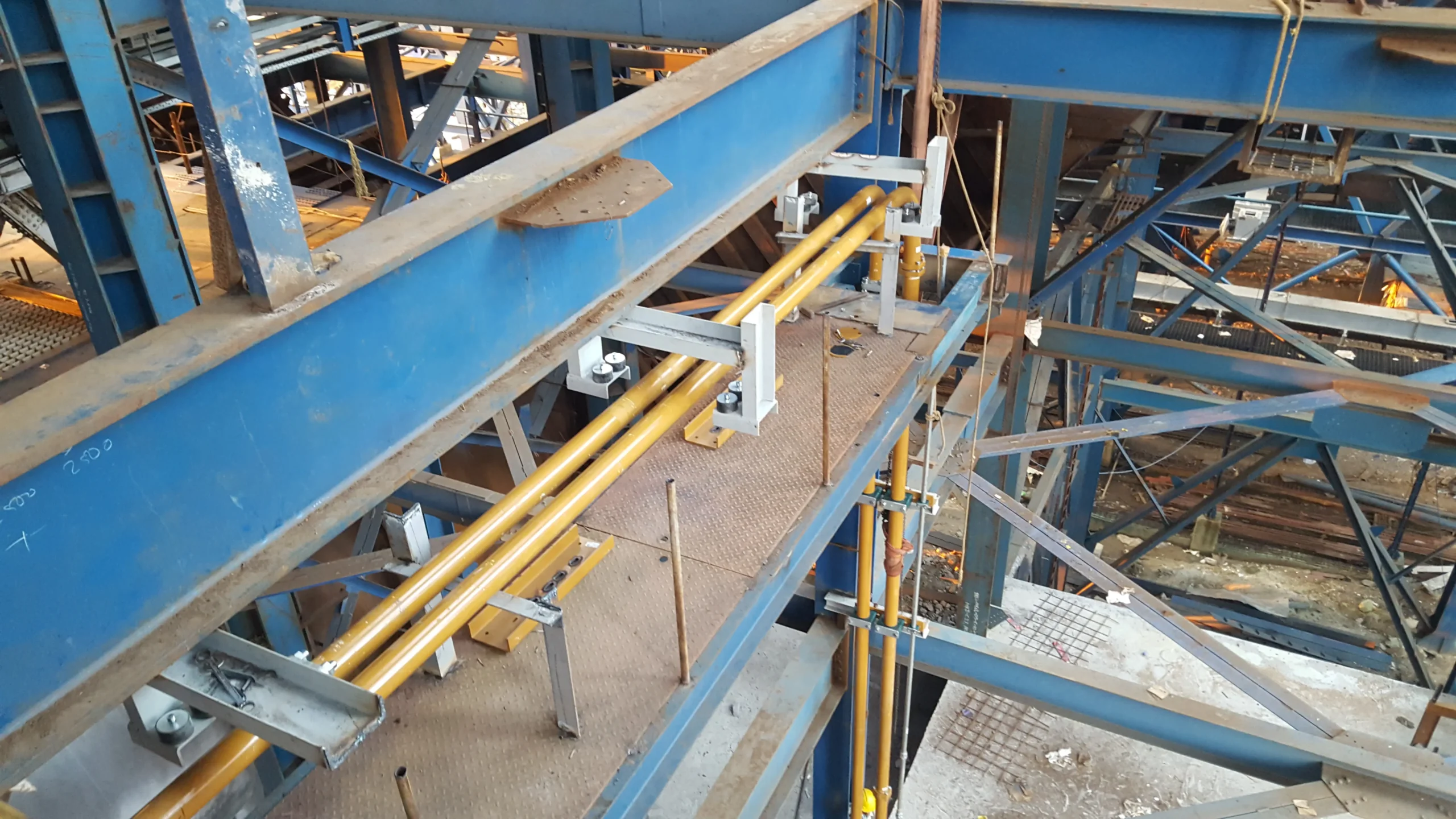
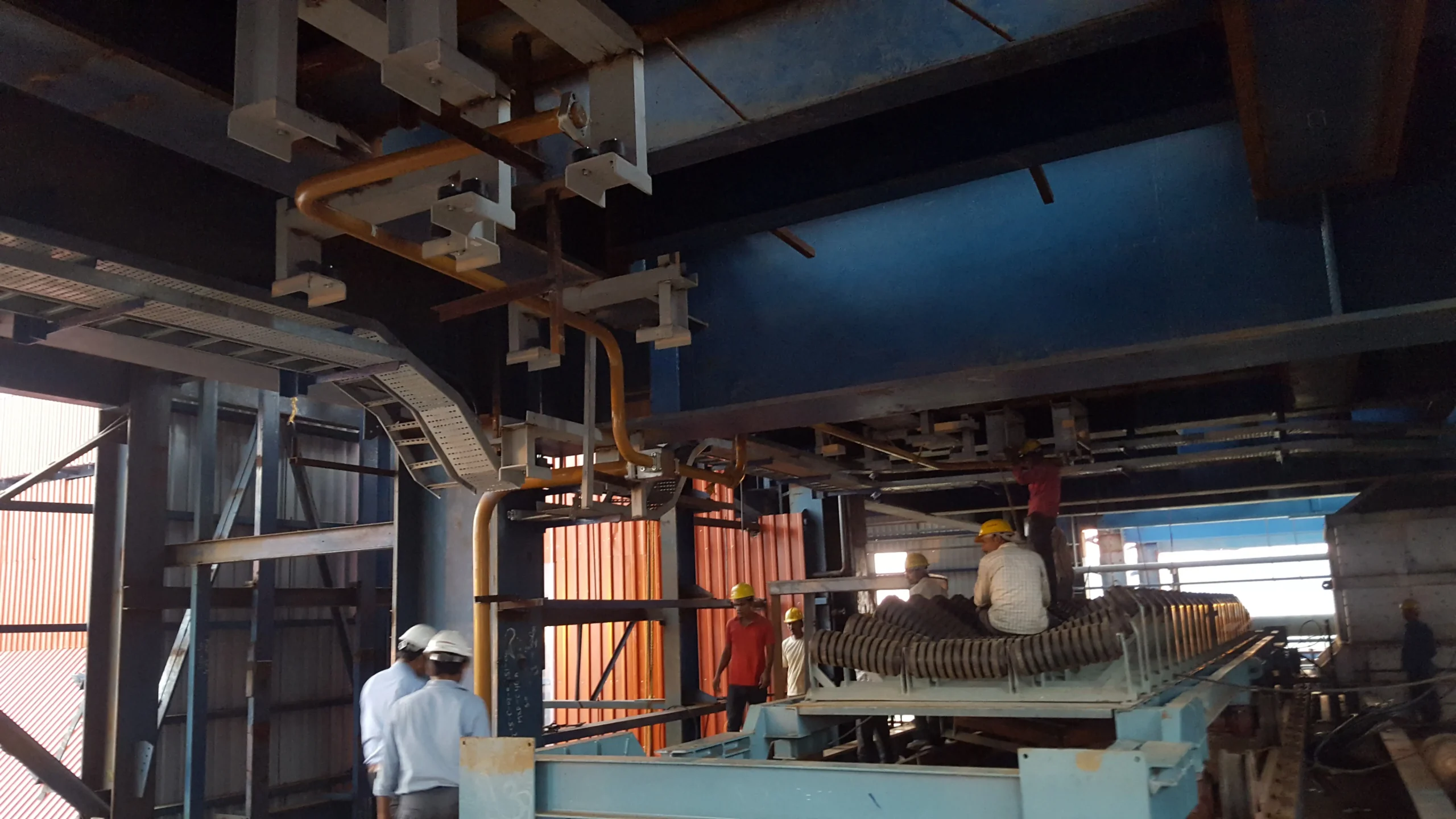
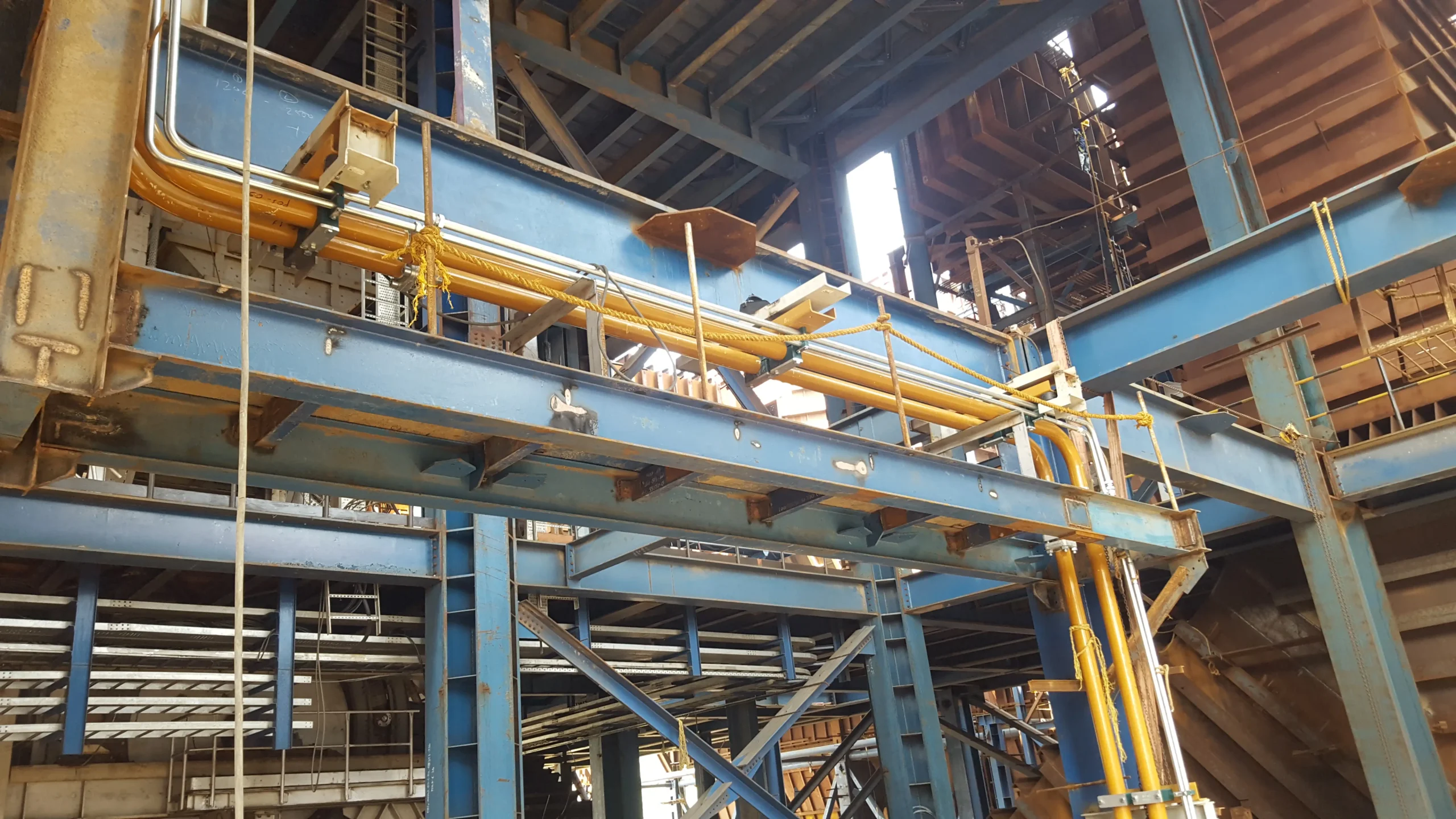
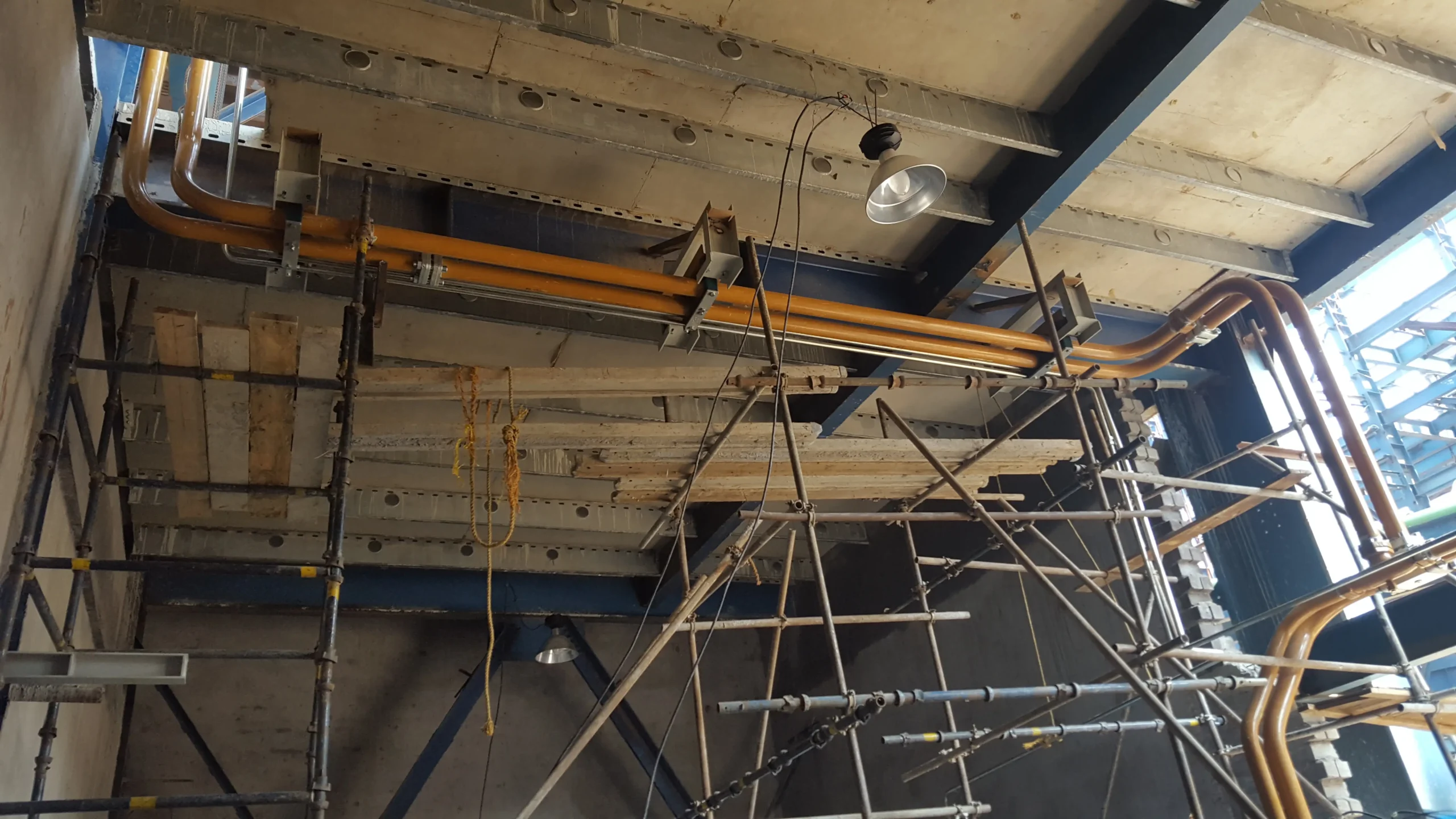
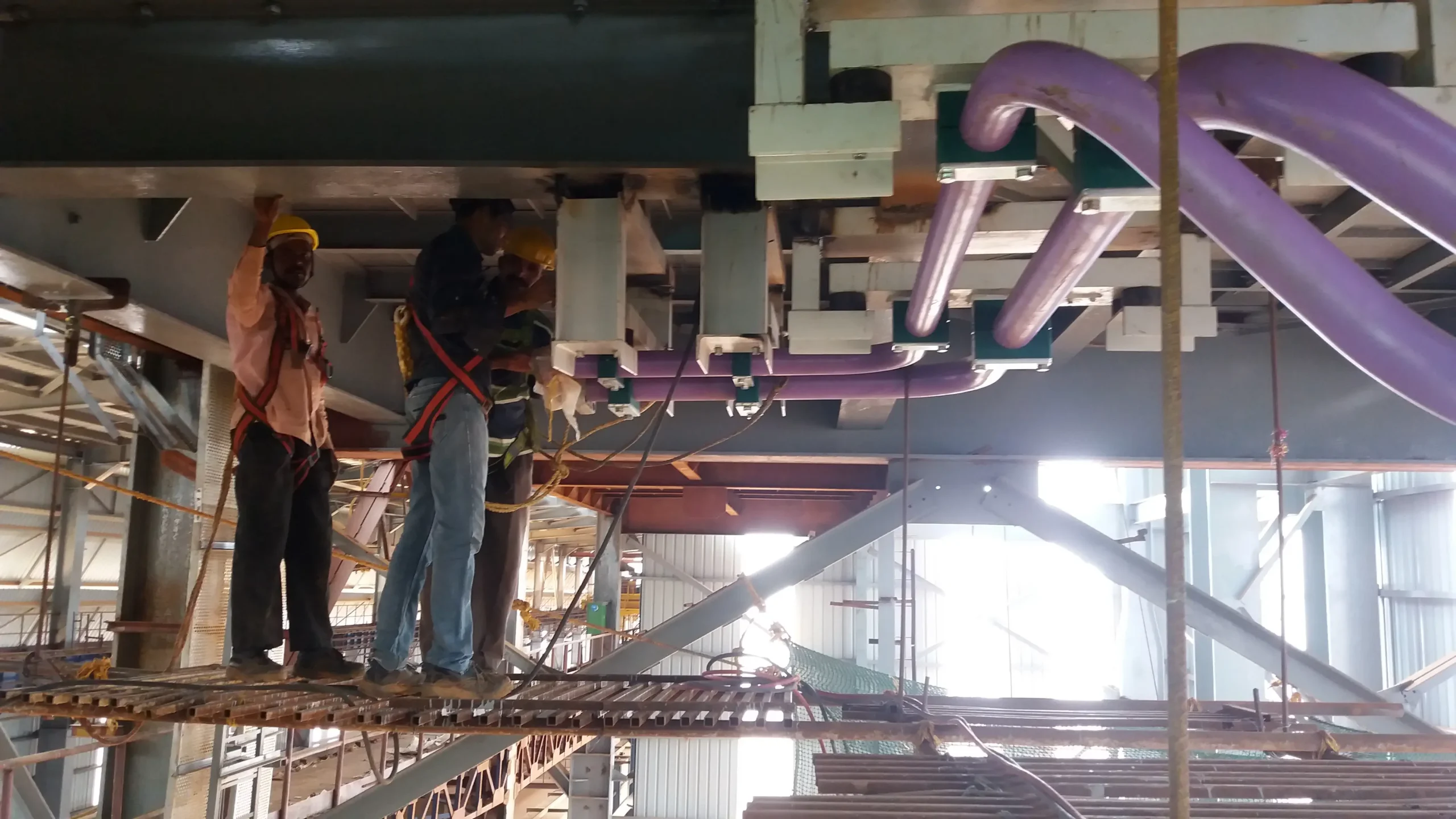
Cenergy Offshore has executed hydraulic piping installations for steel facilities including the Sinter Plant of JSPL in Angul, Odisha and the Sinter Plant of NMDC in Jagdalpur, Chhattisgarh. These projects involved hydraulic piping systems designed for demanding steel plant operating environments.
One example is the hydraulic piping system for the granulator at the JSPL Sinter Plant, where Tube-Mac® non-welded piping technology was used for a 350-metre hardline system designed for 315 bar pressure. The system was prefabricated and installed in Odisha under expert supervision.

Why steel plants choose non-welded piping
Reduced hot work
Minimize the need for on-site welding and associated hot-work activities where the application permits.
Faster Installation
Prefabricated piping assemblies can reduce on-site fabrication and accelerate installation.
Designed for high-pressure hydraulics
Engineered non-welded technologies are available for demanding hydraulic applications.
Easier maintenance
Mechanical connections can simplify certain disassembly, replacement and modification activities.
Reduced production disruption
Faster installation and maintenance can help reduce the time equipment and production systems remain affected.
Consistent Quality
Factory-controlled fabrication and testing can provide greater consistency than relying entirely on site welding conditions.
Proven performance in Steel : Case Studies
As steel plants continue to demand higher production efficiency, reliability, and operational availability, hydraulic piping systems must be engineered to perform under demanding operating conditions while minimizing installation and maintenance disruption. Cenergy Offshore provides engineered non-welded piping solutions for steel plant applications, combining Tube-Mac® hardline technologies with proven project execution experience to support safer installation, faster project execution, and reliable long-term performance.