Piping for Ship Heating Coils

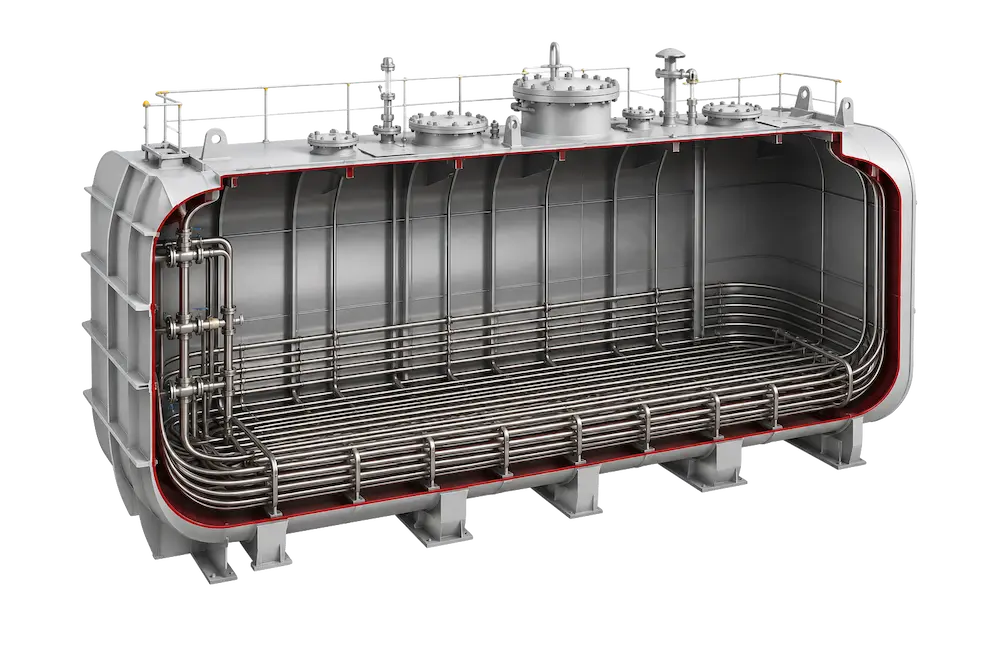
Cargo heating coils are an important part of tanker operations, helping maintain the temperature of cargoes that can become too viscous to pump efficiently at lower temperatures.

These heating coils typically run along the bottom of cargo oil tanks and circulate steam or thermal oil to transfer heat to the surrounding cargo. Because they operate inside cargo tanks, the piping needs to withstand thermal cycling, vibration and the surrounding cargo environment while remaining reliable throughout the vessel’s service life.

For shipowners and operators, the challenge is not only installing reliable heating-coil piping — it is also being able to repair that piping without turning a local pipe failure into a major tank-cleaning and hot-work operation.

Heating Coil Piping Has to Work in a Difficult Environment

Heating coils inside cargo tanks are exposed to repeated heating and cooling cycles, steam flow, vessel vibration and a corrosive cargo environment. Over time, these conditions can contribute to internal corrosion, erosion and wall thinning, while the outside of the piping can be affected by oil, sulphur compounds, acids and sludge that accumulate around the coils.

When a heating coil develops a leak or requires repair, the challenge extends beyond replacing the damaged section of pipe. Conventional welded repairs inside cargo tanks can require extensive cleaning and sludge removal around the work area, followed by ventilation and gas-freeing before hot work can be undertaken. Welding also introduces additional safety controls, specialist personnel and inspection requirements.

The work does not necessarily end after the weld is completed. The repaired piping may require inspection and NDT, followed by flushing and cleaning before the heating-coil system can be returned to service.

A local heating-coil failure can therefore lead to extensive preparation, multiple repair activities and significant disruption to vessel operations. The challenge is finding a piping repair method that addresses the failure without making the surrounding tank environment part of the repair.

Pyplok®: A Non-Welded Approach to Heating Coil Piping

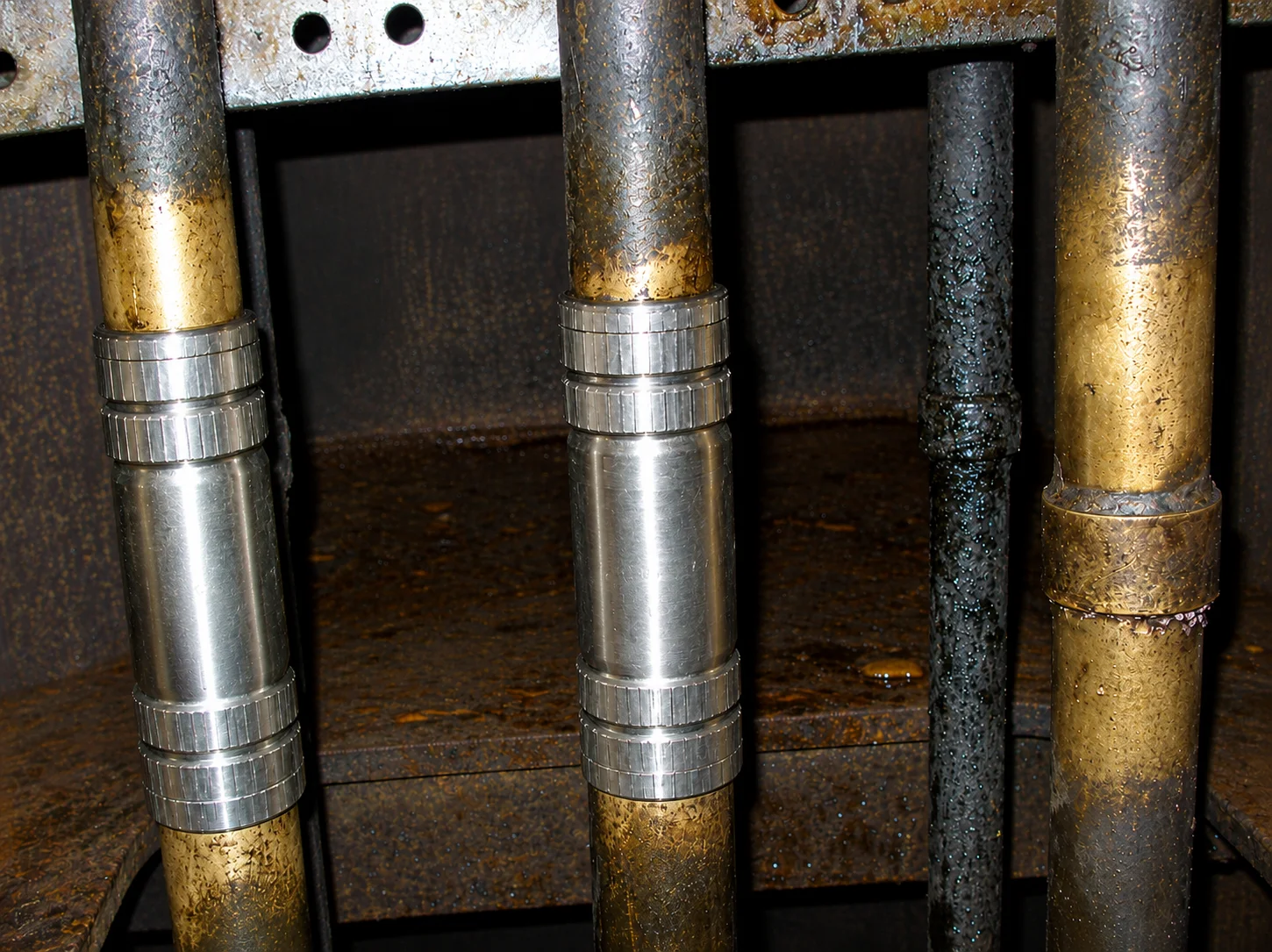
Instead of relying entirely on welded joints, mechanical pipe joining technology can eliminate the need to introduce welding heat into the cargo tank. This allows heating-coil piping to be joined and repaired using a controlled cold-work process, reducing the amount of preparation required around the repair location. Introducing Pyplok®, a non-welded mechanical way of joining pipes and tubes.

Pyplok® is Cenergy’s non-welded pipe joining solution for heating-coil applications.

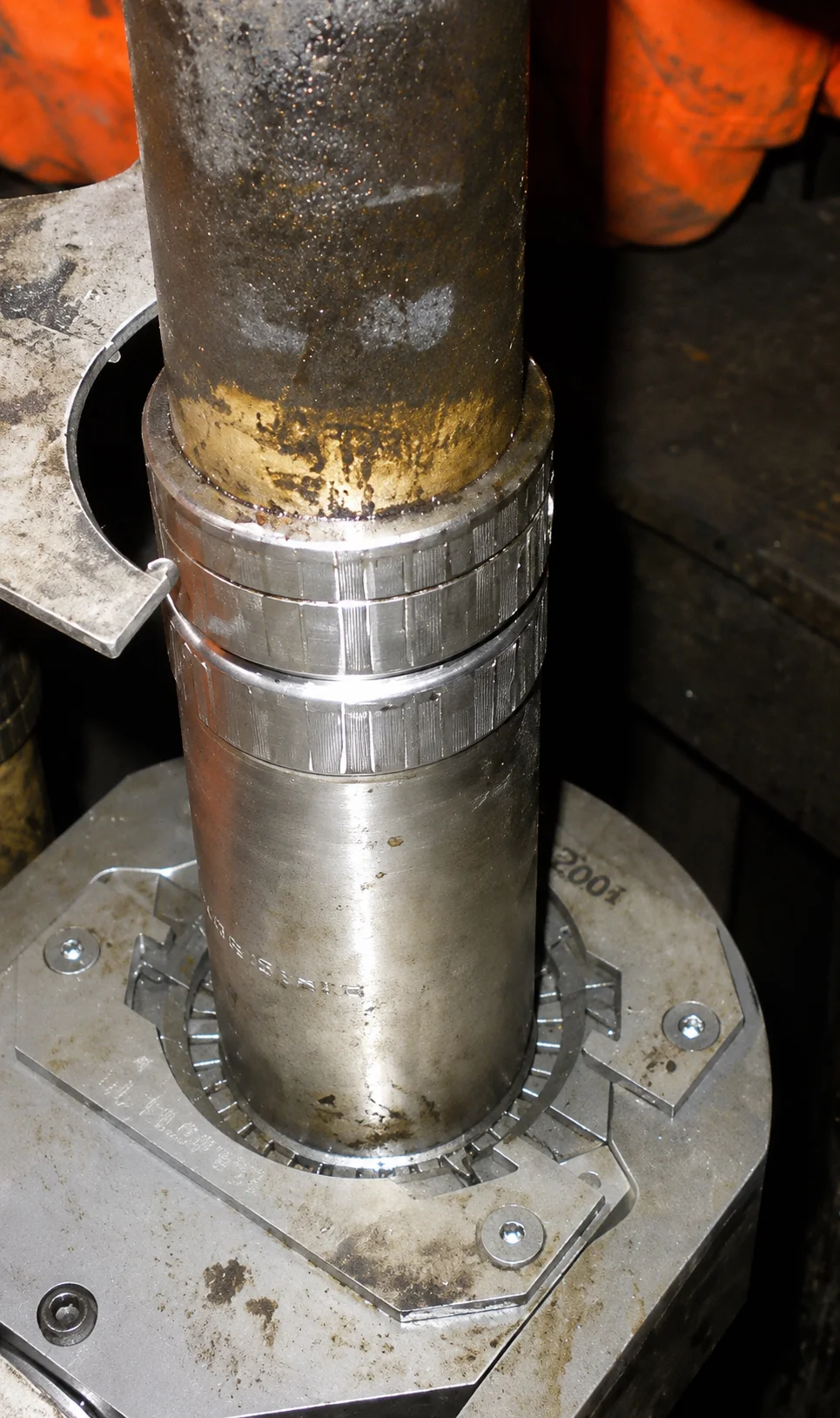
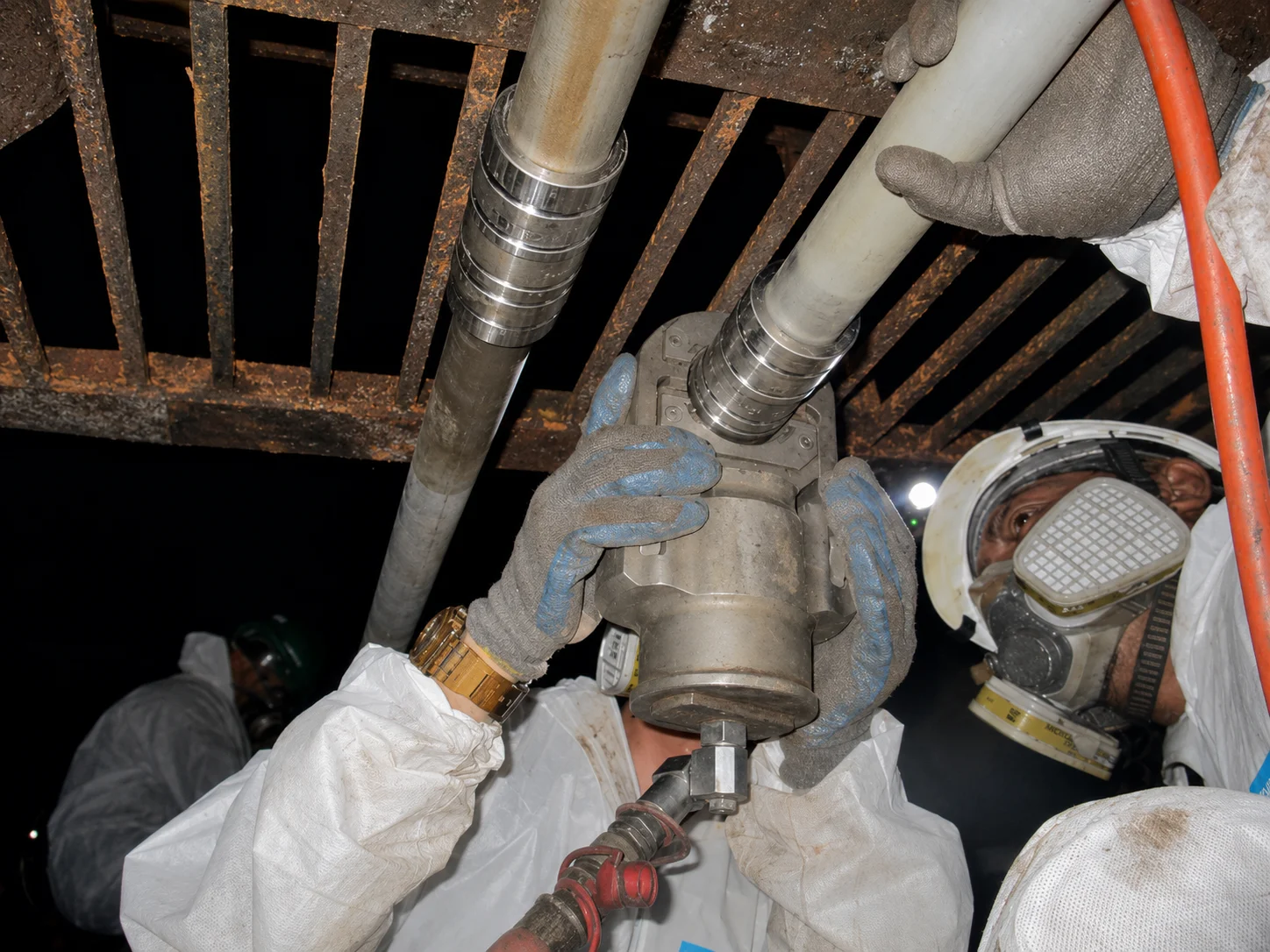
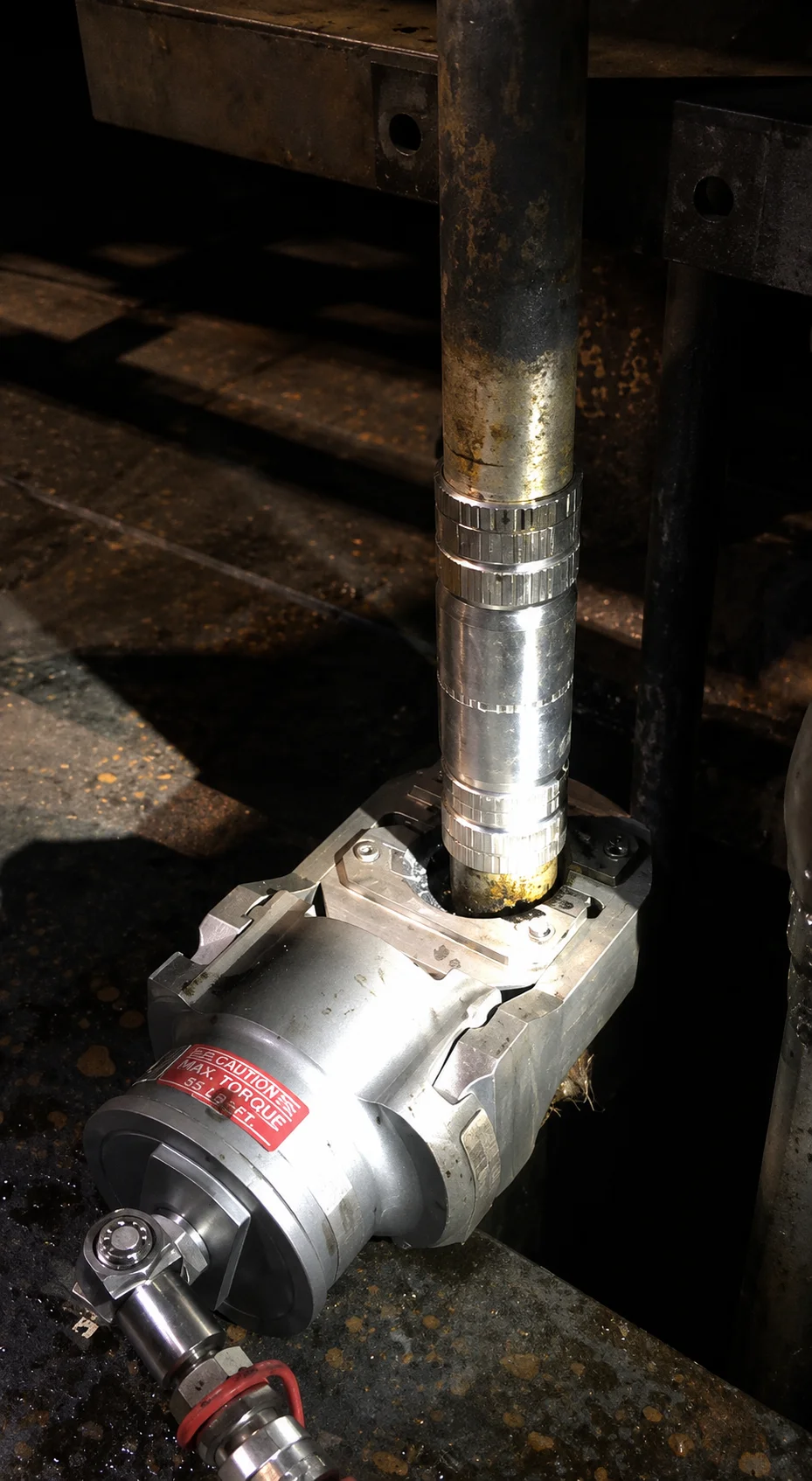
Rather than melting the pipe and fitting together, Pyplok® uses hydraulic radial swaging to permanently deform the fitting around the pipe and create a mechanically retained, leak-tight connection. The process is performed as cold work, without an arc, flame or open welding heat.
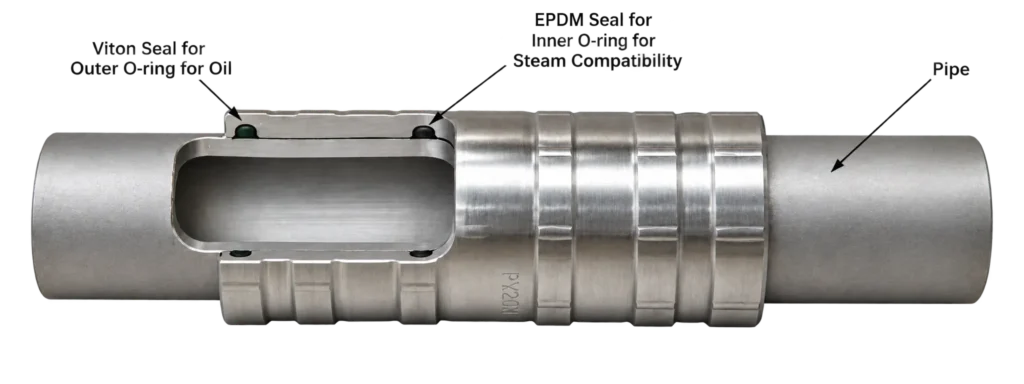
For heating-coil applications, Pyplok® is supplied with

Internal EPDM seal
For containment of the steam/heating medium.

External Viton® seal
For sealing against the surrounding oil/cargo environment.

This is where I’d introduce the product — after the visitor already understands why a non-welded solution is valuable.


What Changes When Heating Coil Piping Doesn't Need Welding?

Pyplok® simplifies heating coil installation and repair by replacing welded joints with a permanent mechanical connection. This can reduce the preparation, safety controls and downtime associated with conventional hot-work repairs inside cargo tanks.

Keep the Repair Local

Repairs can be focused on the affected section of piping, reducing the need for extensive tank preparation around the work area.

No Welding Heat or Sparks

Pyplok® is installed using cold mechanical swaging, eliminating the heat, sparks and open flame associated with welding.

Reduce Tank Cleaning and Preparation

Avoiding hot work can significantly reduce the cleaning, sludge removal, ventilation and gas-freeing activities normally required for welding.
Tamper Proof in Water Mist System

Reduce Repair Time

The mechanical swaging process simplifies pipe joining and can significantly reduce the time required to complete a heating coil repair.

No Weld Inside the Piping

The connection is formed mechanically without creating an internal weld bead, helping reduce post-repair cleaning and flushing requirements

Permanent Connection

Once correctly swaged and verified, the Pyplok® fitting provides a permanent mechanical connection without the need for subsequent tightening.

Piping Applications for Cargo Tank Heating Coils

Pyplok® can be used for heating-coil piping applications where non-welded connections can simplify installation, repair and maintenance.

Cargo Oil Tank Heating Coils

Heating coil piping installed within cargo oil tanks to circulate steam or thermal oil and maintain cargo temperature.

Heating Coil Repairs

Replacement of damaged, corroded or leaking sections of heating coil piping without using conventional welded joints.

Slop Tank Heating Coils

Piping repairs and connections within slop tank heating systems where access, tank preparation and hot-work requirements can make conventional repairs difficult.

Heating Coil Maintenance

Non-welded connections for maintenance and modification work where avoiding welding can reduce preparation and disruption to vessel operations.

From Piping Solution to Complete Repair Capability

Cenergy Offshore combines Pyplok® technology, experienced field personnel and a fully equipped backend workshop to support heating-coil repair work from preparation through installation.

Experienced Installation Team

Our trained team can carry out non-welded heating-coil repairs using the appropriate Pyplok® tooling and installation procedures.

Complete Repair Support

Cenergy can support the repair process beyond supplying the fitting — from assessing the damaged section and preparing replacement piping to installing and verifying the completed Pyplok® connections.

Designed for Marine Repair Conditions

Our approach is built around the practical constraints of working inside cargo tanks, where access, safety, preparation time and vessel downtime are all important considerations.

Talk to Cenergy about a non-welded solution for your cargo tank heating coil application.

Send Enquiry

Kindly provide your details and project requirements, and our team will promptly get in touch with you to address your needs. We look forward to assisting you!