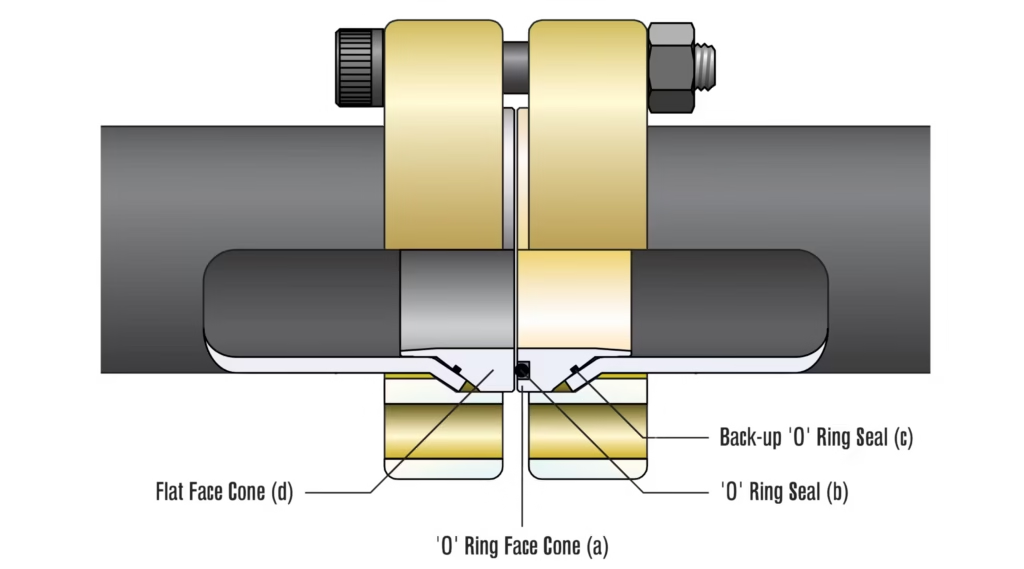
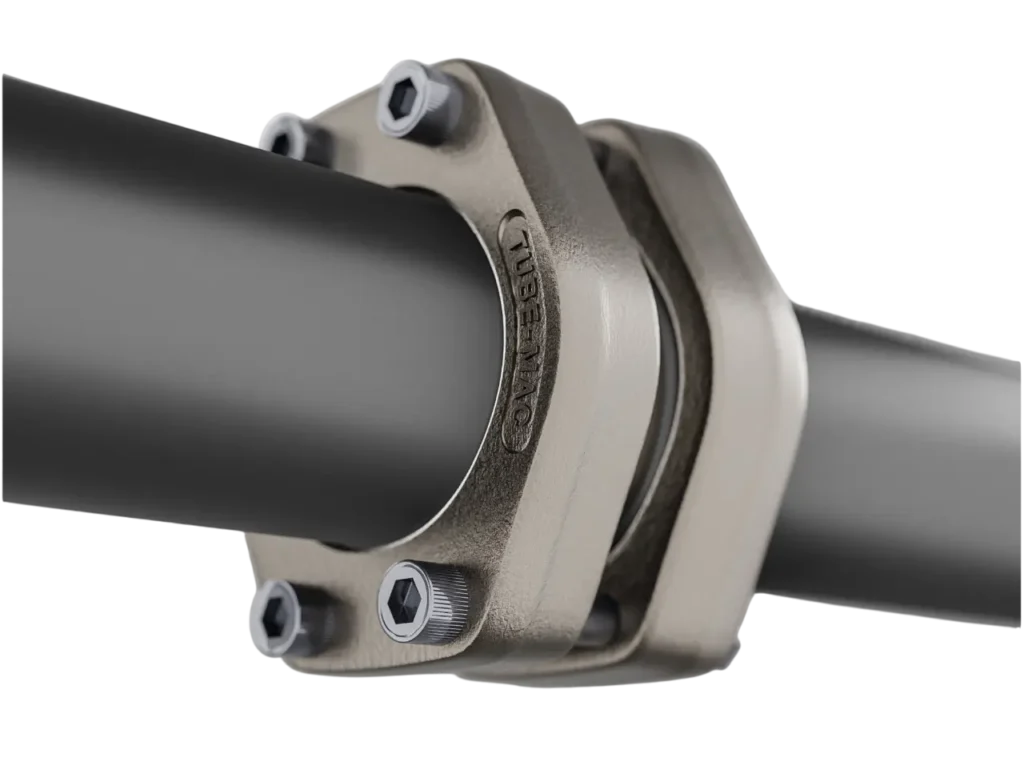
The 37° Flare Flange System is a non-welded piping connection that uses flared pipe ends, matching internal cones and flanges to create a secure, leak-free connection. O-ring seals provide sealing between the mating cones and the flared pipe connection.
How the 37° Flare Flange System works
The flange is slipped onto the pipe before flaring. After flaring, the cones are located into the pipe. The O-Ring face cone with the O-Ring seal mates with the flat face cone. Both the cones have back-up O-Rings. Bolting the connection together draws the flared pipe and cone in contact with each other providing an elastomer seal at the flare and at the face.
The flanges can be rotated prior to bolting thus eliminating the need to be concerned about the axis of the pipe on which the fitter aligns the flange holes. At times, it also allows the flange cap screws to be installed in more confined spaces. Pipe flaring is an easy to implement process. Learn more on how flaring is done.
TMI has in-house developed a Flaring machine to meet the required standard of 37 Degree flare flange. The operation is simple and the machine operator needs basic training to operate the equipment which will be provided by our in house installation team.
37° Flare Flange Specifications
Material and Pipe Sizes
37° Flare Flange system is used for pipes of sizes ranging from ½” to 8” (Sch 10 upto Sch 80). The flanges come in Carbon Steel and Stainless Steel 316L material.
Pressure Ratings
37° Flare Flange System can take pressures upto 6000 psi / 420 bar based on the pipe size and thickness.
Flange Standards
37° Flare Flange comes in SAE Code 61 (ISO 6162-1), SAE Code 62 (ISO 6162-2), ISO 6164 and also TMI® 8-bolt and 9-bolt proprietary flange standard.
Is there a specific tube requirement for 37° Flare Flange System?
For carbon steel pipes/tubes, flaring can be performed on pipes conforming to DIN 2391C / EN 10305-4 standards. For stainless steel pipes/tubes, flaring is suitable for most standards, provided the pipe is seamless.
Is 37° Flare Flange System globally accepted?
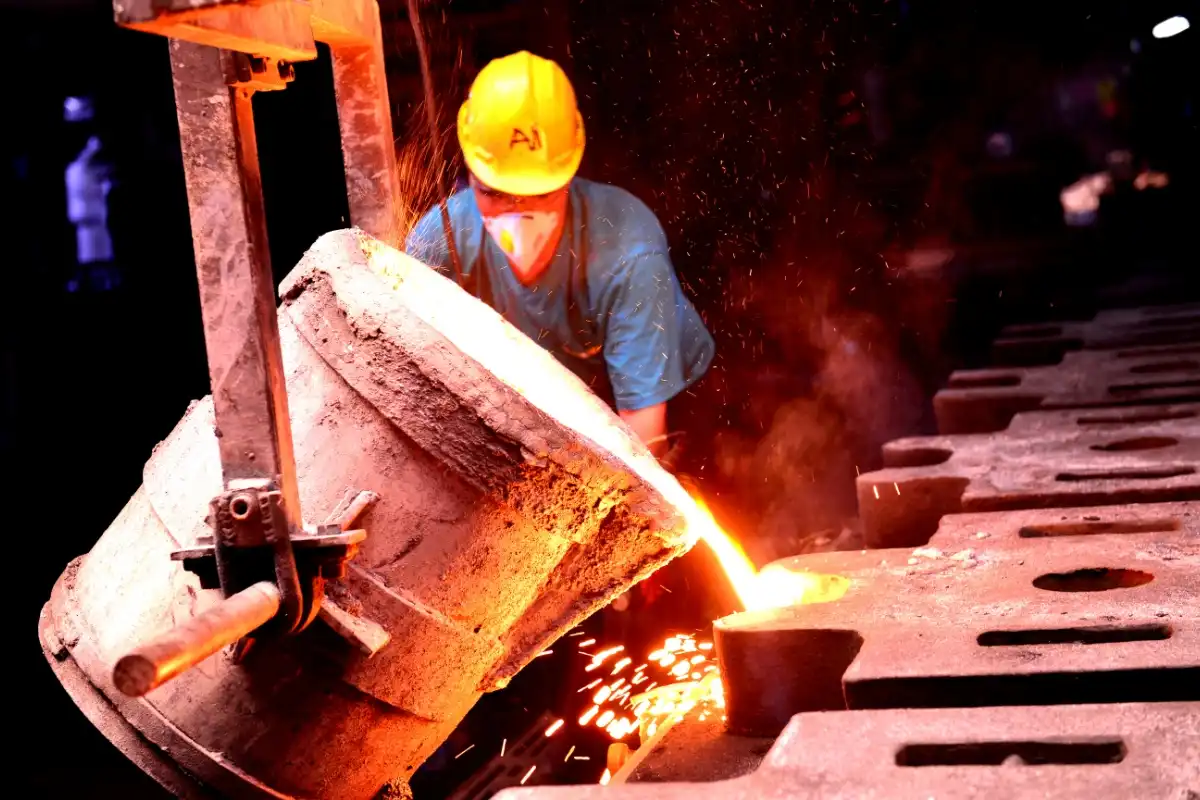
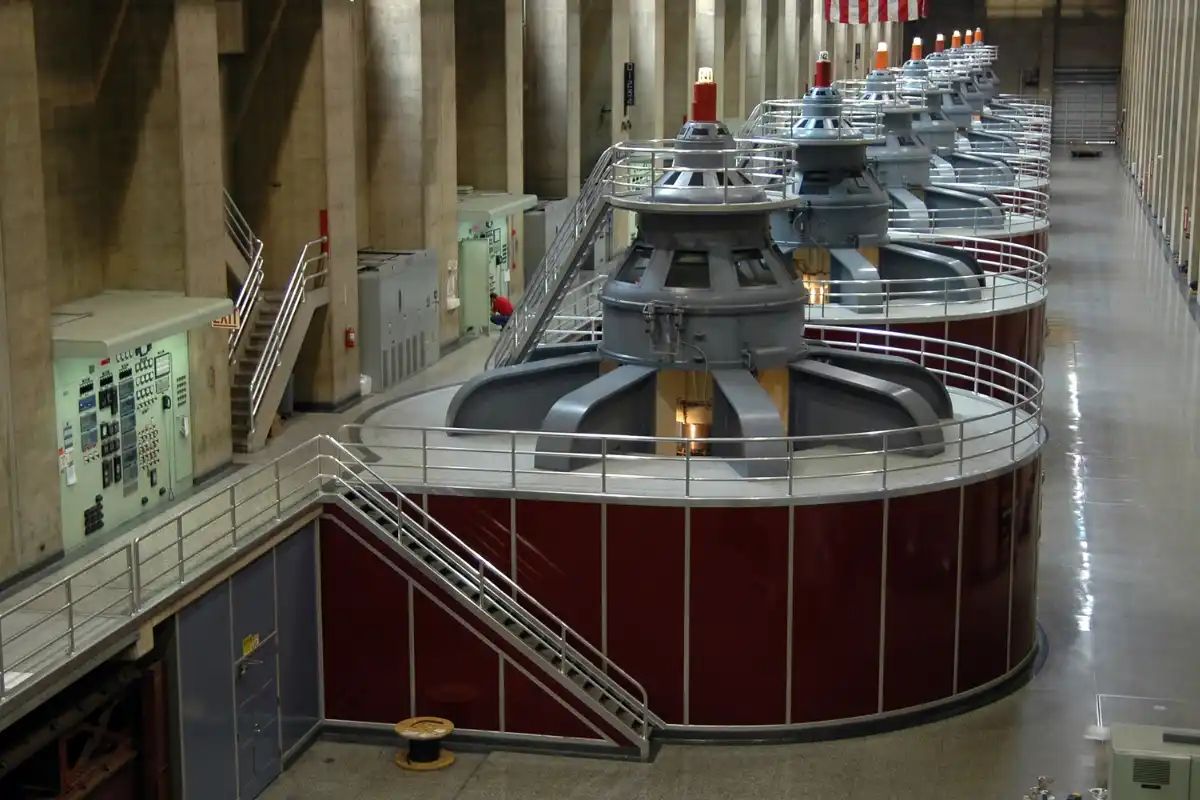
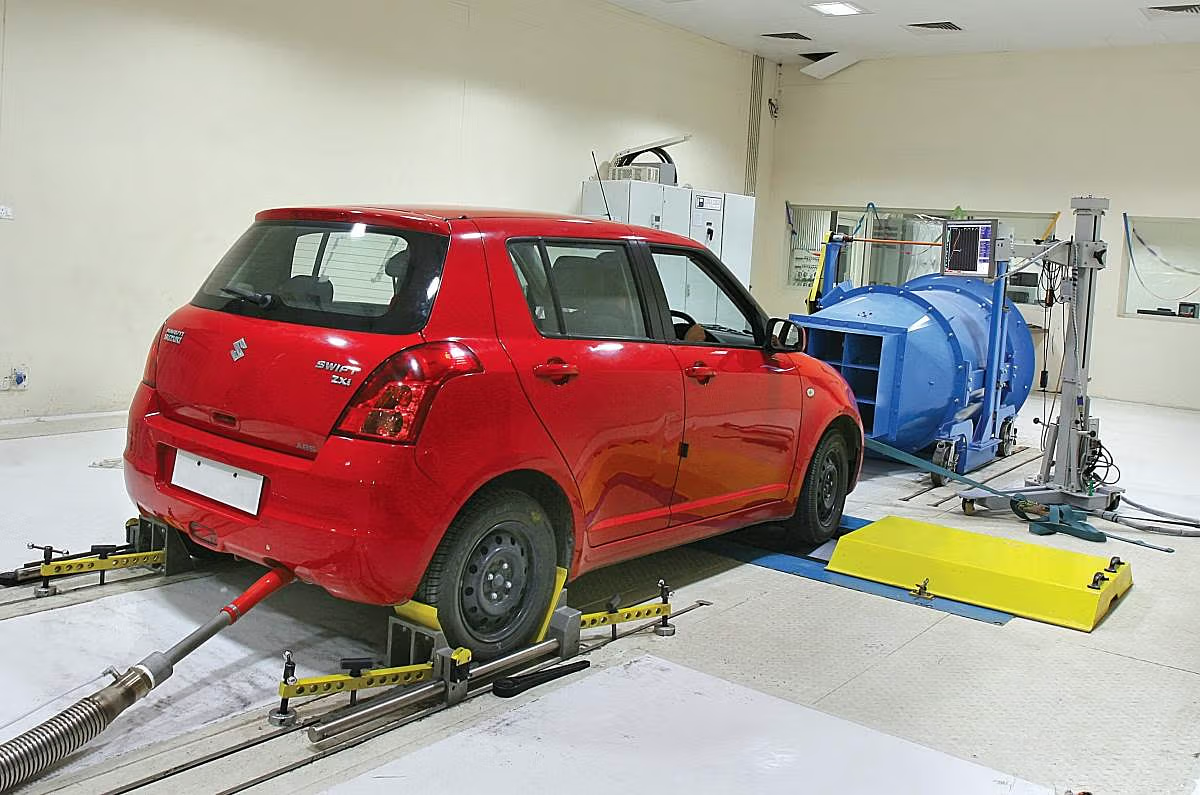
Yes. The 37° Flare Flange System is widely used worldwide in steel mills, shipbuilding, offshore rigs, automotive testing laboratories, aerospace laboratories, locomotive testing facilities, and other industrial applications. The system is also type-approved by leading classification societies, including ABS, DNV, LR, and CCS, providing strong evidence of its technical reliability and global acceptance.
In which materials is the 37° Flare Flange System available?
The 37° Flare Flange System is available with components manufactured in Carbon Steel and Stainless Steel (SS 316), offering suitability for a wide range of hydraulic and industrial applications.
Does the 37° Flare Flange System comform to ASME specifications?
Yes. The 37° Flare Flange System conforms to the requirements of ASME B31.1 (Power Piping) and ASME B31.3 (Process Piping).
In which size systems is the 37° Flare Flange System available?
The 37° Flare Flange Sysytem is available in NPS (Nominal Pipe Size) and the Metric Size Standard.
Why are there two non-welded flange systems — 37° Flare Flange and Retain Ring Flange?
The 37° Flare Flange and Retain Ring Flange Systems are complementary solutions, with selection mainly depending on the pipe size, wall thickness, pipe specification, and application requirements. Where both systems are suitable, factors such as ease and speed of installation can influence the choice. The main difference lies in how the pipe ends are prepared and how the sealing components are arranged. In the 37° Flare Flange System, the flange is positioned on the pipe and the pipe end is flared to 37°, with an O-ring face seal and flat-face cone providing the sealing interface. In the Retain Ring Flange System, the pipe end is faced square and an annular groove is machined near the end to accommodate a retain ring, which holds the flange in position; sealing is achieved using an O-ring seal retainer with O-rings on both sides. The 37° Flare Flange System is primarily suited to Sch 80 and lighter wall thicknesses, although some sizes can accommodate Sch 160. The Retain Ring System is generally used with Sch 160 and heavier-wall pipes, where the groove can be machined while maintaining the required connection integrity. Another practical difference is that Retain Ring Flanges can be removed after installation, whereas a flared connection is not readily removable from the pipe.
Send Enquiry
Kindly provide your details and project requirements, and our team will promptly get in touch with you to address your needs. We look forward to assisting you!